30 Heart Attack Signs You Might Be Ignoring (The Subtle Warning Signs Most Adults Over 45 Miss)
PART 1 OF 7: THE EARLY INVISIBLE WARNINGS (SIGNS 1 TO 4)
● PART 1 OF 714% Complete

30 Heart Attack Signs You Might Be Ignoring (The Subtle Warning Signs Most Adults Over 45 Miss)

By Dr. Marcus Thorne, MD, FACC · Senior Clinical Cardiologist · Updated September 2026
Advertisement
Sign 1: Bone-Deep Exhaustion That Sleep Cannot Fix SIGN #1

1. Bone-Deep Exhaustion That Sleep Cannot Fix

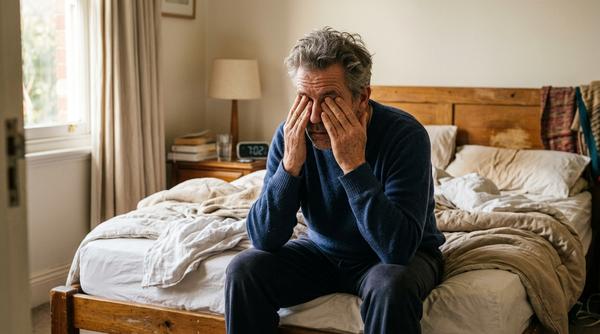
What It Feels Like: You wake up after 8 hours of sleep but feel like you ran a marathon. Everyday tasks like walking to the mailbox or making a bed suddenly leave you wiped out.
🔬 Why The Heart Causes It: When coronary arteries narrow, your heart struggles to pump oxygenated blood to skeletal muscles. Your body diverts blood to vital organs, causing profound fatigue.
🚩 Clinical Red Flag: If extreme fatigue hits out of nowhere without changes in your sleep schedule, treat it as a vascular warning.
Advertisement
Sign 2: Sudden Night Wakings and Unexplained Sweats SIGN #2

2. Sudden Night Wakings and Unexplained Sweats

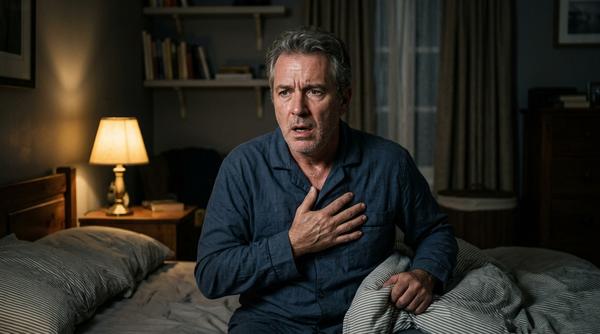
What It Feels Like: You bolt awake in the middle of the night gasping for breath, or wake up drenched in sweat even though the bedroom is cool.

🔬 Why The Heart Causes It: Lying flat increases fluid return to the chest. If the left ventricle is strained, fluid backs up into lung tissue, triggering a suffocation reflex that wakes you.
🚩 Clinical Red Flag: Needing two or three extra pillows to sleep comfortably without coughing is a classic sign of cardiac fluid buildup.
Sign 3: Throat Tightness and the 'Choking' Sensation SIGN #3

3. Throat Tightness and the 'Choking' Sensation

What It Feels Like: A feeling of constriction around the neck, like a collar is pulled too tight or you have a lump in your throat when walking uphill.
🔬 Why The Heart Causes It: Cardiac pain nerves travel upward along the vagus and sympathetic nerve chains, frequently registering as tightness in the trachea or pharynx.
🚩 Clinical Red Flag: Throat tightness that appears during walking and vanishes after sitting down is almost always cardiac angina.
Sign 4: Cold, Clammy Sweats Without a Fever SIGN #4

4. Cold, Clammy Sweats Without a Fever

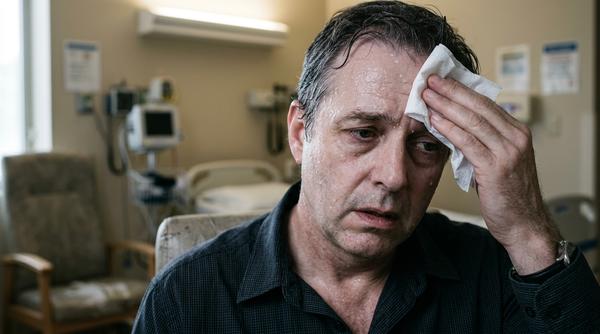
What It Feels Like: Your skin turns cold and clammy, and sweat beads break out on your forehead or palms while resting quietly in an air-conditioned room.

🔬 Why The Heart Causes It: When the heart struggles to maintain arterial pressure, the sympathetic nervous system fires a massive dose of adrenaline, forcing sweat glands into overdrive.
🚩 Clinical Red Flag: Breaking into a cold sweat accompanied by lightheadedness is an emergency signal of acute hemodynamic strain.
Advertisement
👉 TAP HERE FOR PART 2 (SIGNS 5 TO 8) → See The 4 Digestive & Facial Clues Most Adults Confuse With Heartburn
PART 2 OF 7: DIGESTIVE & FACIAL CLUES (SIGNS 5 TO 8)
● PART 2 OF 728% Complete

Part 2: The Digestive & Facial Disguises (Signs 5 to 8)
By Dr. Marcus Thorne, MD, FACC · Senior Clinical Cardiologist · Updated September 2026
Advertisement
Sign 5: Severe 'False' Heartburn That Antacids Don't Touch SIGN #5

5. Severe 'False' Heartburn That Antacids Don't Touch

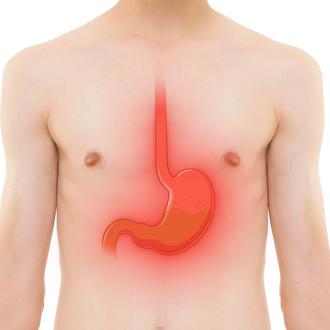
What It Feels Like: A deep, gnawing burning sensation in the upper stomach and lower chest. You chew antacids or drink water, but the burn persists or intensifies.
🔬 Why The Heart Causes It: The lower wall of the heart (inferior wall) rests directly above the diaphragm and stomach. Irritation here triggers sensory nerves identical to acid reflux.
🚩 Clinical Red Flag: If 'indigestion' flares up during physical activity and doesn't ease with antacids, assume it is your heart until proven otherwise.
Advertisement
Sign 6: Lower Jaw Ache and Tooth Pain SIGN #6

6. Lower Jaw Ache and Tooth Pain

What It Feels Like: An intense, dull ache in the lower jawline, often radiating into the teeth, chin, or under the ear. Many patients visit a dentist first.
🔬 Why The Heart Causes It: Nerve fibers from the heart and cervical spine converge with the trigeminal nerve. The brain misinterprets cardiac ischemia as mandibular or dental distress.
🚩 Clinical Red Flag: Jaw pain that occurs on the left side and worsens with exertion is a textbook cardiac referred symptom in adults over 50.
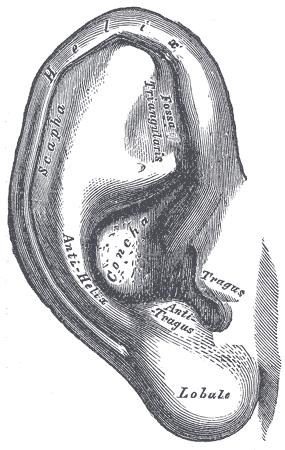
Sign 7: Frank's Sign: The Diagonal Earlobe Crease SIGN #7

7. Frank's Sign: The Diagonal Earlobe Crease

What It Feels Like: A visible, diagonal crease running at a 45-degree angle across the earlobe toward the lower edge.

🔬 Why The Heart Causes It: The earlobe is supplied by end-arteries. When systemic elastic fibers degenerate and coronary vessels stiffen, earlobe tissue collapses, forming this crease.
🚩 Clinical Red Flag: Dozens of peer-reviewed studies correlate bilateral diagonal earlobe creases with a 3x higher risk of coronary atherosclerosis.
Sign 8: Unexplained Nausea and Upper Abdominal Fullness SIGN #8

8. Unexplained Nausea and Upper Abdominal Fullness

What It Feels Like: Sudden waves of queasiness, stomach churning, or vomiting without any food poisoning, bug, or fever.

🔬 Why The Heart Causes It: Right coronary artery blockage reduces blood flow to the posterior heart wall, stimulating the vagus nerve and directly triggering gastrointestinal upset.
🚩 Clinical Red Flag: Women over 50 are twice as likely as men to experience nausea and vomiting as their primary heart attack symptom.
Advertisement
👉 TAP HERE FOR PART 3 (SIGNS 9 TO 13) → The 5 Upper-Body Pain Zones Where Heart Signals Get Misdirected
PART 3 OF 7: UPPER-BODY REFERRED PAIN (SIGNS 9 TO 13)
● PART 3 OF 742% Complete

Part 3: The 'Referred Pain' Nerve Highway (Signs 9 to 13)
By Dr. Marcus Thorne, MD, FACC · Senior Clinical Cardiologist · Updated September 2026
Advertisement
Sign 9: Inner Left Arm Heaviness and Aching SIGN #9

9. Inner Left Arm Heaviness and Aching

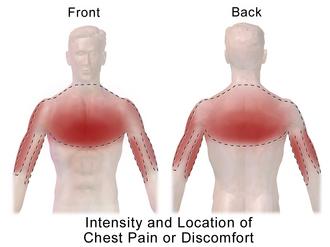
What It Feels Like: A dull, heavy ache running from the left armpit down the inner bicep to the wrist and little finger. It feels like carrying a heavy suitcase.
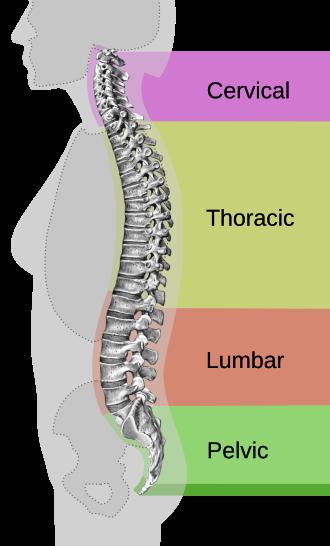
🔬 Why The Heart Causes It: Nerves supplying the heart muscle share the T1-T2 spinal nerve root pathways with the inner arm skin, creating identical referred sensations.
🚩 Clinical Red Flag: Arm pain that comes on without any muscle strain, lifting, or rotator cuff injury requires immediate evaluation.
Advertisement
Sign 10: Interscapular Back Gnawing (Between Shoulder Blades) SIGN #10

10. Interscapular Back Gnawing (Between Shoulder Blades)

What It Feels Like: A deep, knifelike or gnawing ache centered precisely between your shoulder blades. Stretching, twisting, or massage provides zero relief.
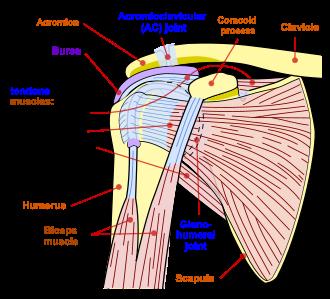
🔬 Why The Heart Causes It: Posterior myocardial ischemia sends sensory alerts through the thoracic spinal cord segments directly to the mid-back musculature.
🚩 Clinical Red Flag: Back pain that feels deep inside the chest cavity rather than on the surface is a classic sign of thoracic cardiovascular distress.
Sign 11: Right Shoulder Aching (The Female Warning Sign) SIGN #11

11. Right Shoulder Aching (The Female Warning Sign)

What It Feels Like: Pain or stiffness settling into the right shoulder and collarbone rather than the traditional left side.

🔬 Why The Heart Causes It: Women frequently experience atypical autonomic referral patterns that bypass the left plexus, directing pain into the right deltoid and neck.
🚩 Clinical Red Flag: Over 35% of female heart attack patients report right-side shoulder discomfort rather than chest clutching.
Sign 12: Sudden Weakness in Hand Grip Strength SIGN #12

12. Sudden Weakness in Hand Grip Strength

What It Feels Like: You suddenly cannot open a twist-off jar, turn a door knob, or hold a coffee cup without feeling your fingers lose strength.
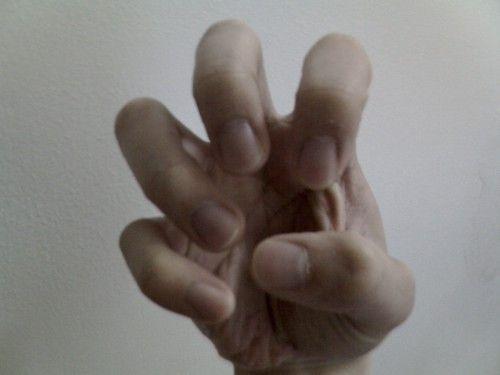
🔬 Why The Heart Causes It: Acute cardiac pump strain triggers peripheral vasoconstriction, dropping blood volume to distal extremities like hand flexor tendons.
🚩 Clinical Red Flag: Rapid drop in hand grip accompanied by forearm numbness is an underreported sign of impending cardiovascular failure.
Sign 13: Unexplained Wrist Soreness (Carpal Tunnel Mimic) SIGN #13

13. Unexplained Wrist Soreness (Carpal Tunnel Mimic)

What It Feels Like: Both wrists throb or feel tightly bound by an invisible band, often mistaken for arthritis, typing strain, or carpal tunnel.

🔬 Why The Heart Causes It: Radial and ulnar sensory nerves reflect cardiac ischemic pain at their terminal branching points in the wrists.
🚩 Clinical Red Flag: Wrist pain that ramps up when you walk or climb stairs and subsides when you stop is vascular, not joint inflammation.
Advertisement
PART 4 OF 7: FLUID & AIRWAY RED FLAGS (SIGNS 14 TO 17)
● PART 4 OF 757% Complete

Part 4: The Fluid & Airway Warning Signs (Signs 14 to 17)
By Dr. Marcus Thorne, MD, FACC · Senior Clinical Cardiologist · Updated September 2026
Advertisement
Sign 14: Shortness of Breath While Sitting Still SIGN #14

14. Shortness of Breath While Sitting Still

What It Feels Like: You are sitting comfortably watching TV, yet you feel like you cannot get air to the bottom of your lungs. Every breath feels shallow.

🔬 Why The Heart Causes It: The left ventricle fails to clear blood forward into the aorta, causing blood to back up into the pulmonary veins and fluid to seep into air sacs.
🚩 Clinical Red Flag: Unexplained breathlessness at rest has the highest predictive value for heart failure and acute coronary syndromes.
Advertisement
Sign 15: Persistent Dry Cardiac Cough with Pinkish Phlegm SIGN #15

15. Persistent Dry Cardiac Cough with Pinkish Phlegm

What It Feels Like: A dry, hacking cough that refuses to clear, occasionally coughing up a small amount of white or pink-tinged frothy mucus.
🔬 Why The Heart Causes It: High pressure in pulmonary capillaries forces microscopic amounts of blood and plasma across alveolar membranes into your airways.
🚩 Clinical Red Flag: A cough accompanied by pink or frothy phlegm is a medical emergency indicating acute pulmonary congestion.
Sign 16: Pitting Edema: Deep Sock Indentations in Lower Legs SIGN #16

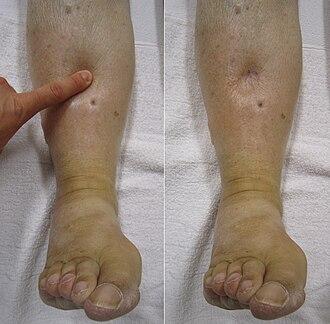
16. Pitting Edema: Deep Sock Indentations in Lower Legs

What It Feels Like: Taking your socks off leaves deep, red, sunken trenches in your shins or ankles that take minutes to bounce back.
🔬 Why The Heart Causes It: A sluggish heart pump causes gravity-dependent venous pooling. Excess fluid escapes capillary walls into subcutaneous tissues of the feet.
🚩 Clinical Red Flag: Pressing your thumb into your shin for 5 seconds: if a deep dent remains ('pitting'), your heart is struggling with fluid management.
Sign 17: Sudden 3–5 Pound Weight Spike in 48 Hours SIGN #17

17. Sudden 3–5 Pound Weight Spike in 48 Hours

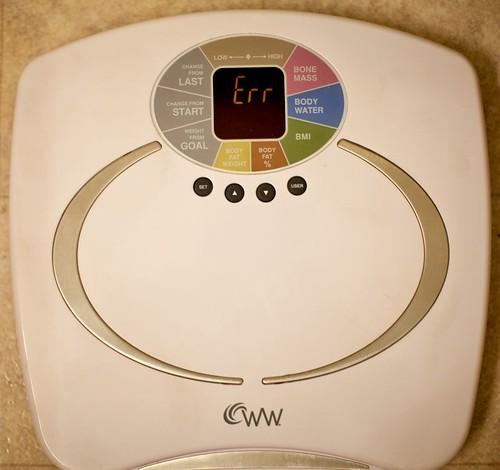
What It Feels Like: Stepping on the bathroom scale shows you gained 3 to 5 pounds over a single weekend without eating excess calories.

🔬 Why The Heart Causes It: Decreased cardiac output drops renal perfusion. The kidneys interpret this as dehydration and hoard sodium and water inside your vascular space.
🚩 Clinical Red Flag: Rapid weight gain over 48 hours is almost always pure fluid retention caused by failing ventricular output.
Advertisement
👉 TAP HERE FOR PART 5 (SIGNS 18 TO 22) → See The 5 'Silent Ischemia' Warning Signs of Microvascular Disease
PART 5 OF 7: SILENT NEUROLOGICAL CLUES (SIGNS 18 TO 22)
● PART 5 OF 771% Complete

Part 5: Silent Ischemia & Neurological Red Flags (Signs 18 to 22)

By Dr. Marcus Thorne, MD, FACC · Senior Clinical Cardiologist · Updated September 2026
Advertisement
Sign 18: Sudden Brain Fog and Cognitive Disorientation SIGN #18

18. Sudden Brain Fog and Cognitive Disorientation

What It Feels Like: You walk into a room and completely lose your train of thought, struggle to find common words, or feel like your head is wrapped in cotton.

🔬 Why The Heart Causes It: The brain consumes 20% of your body's oxygen. When coronary output drops, cerebral perfusion falls immediately, slowing mental processing.
🚩 Clinical Red Flag: Acute confusion or sudden memory lapse in someone over 50 is frequently a silent symptom of hemodynamic instability.
Advertisement
Sign 19: The 'Ashen Face': Sudden Loss of Facial Color SIGN #19

19. The 'Ashen Face': Sudden Loss of Facial Color

What It Feels Like: Family members notice your face suddenly turns pale, grayish, or washed out, with lips losing their natural pink shade.
🔬 Why The Heart Causes It: Peripheral vasoconstriction shuts down microscopic capillary flow to facial dermis in a desperate bid to preserve core arterial pressure.
🚩 Clinical Red Flag: Sudden ashen pallor coupled with cool skin is an unmistakable sign that the cardiovascular system is in shock.
Sign 20: Palpitations Accompanied by Vision 'Floaters' SIGN #20

20. Palpitations Accompanied by Vision 'Floaters'

What It Feels Like: Your heart flutters, thuds, or feels like it skips a beat, followed immediately by black specks or tunneling in your peripheral vision.
🔬 Why The Heart Causes It: Ventricular arrhythmias drop retinal blood flow for 1 to 2 seconds, causing momentary visual disturbances or blackout sensations.
🚩 Clinical Red Flag: Heart skipping that triggers momentary visual dimming means cerebral perfusion dropped dangerously low.
Sign 21: Bleeding, Spongy Gums (Arterial Inflammation) SIGN #21

21. Bleeding, Spongy Gums (Arterial Inflammation)

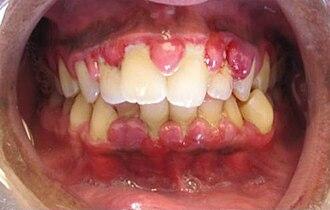
What It Feels Like: Gums suddenly bleed easily when brushing, feeling tender and inflamed even with good dental hygiene.
🔬 Why The Heart Causes It: Systemic periodontal inflammation shares direct biomarkers (such as hs-CRP) with coronary plaque erosion and arterial endothelial damage.
🚩 Clinical Red Flag: Cardiologists recognize active periodontal disease as an independent predictor of premature myocardial infarction.
Sign 22: Postural Dizziness: Room Spinning Upon Standing SIGN #22

22. Postural Dizziness: Room Spinning Upon Standing

What It Feels Like: Standing up from an armchair causes the room to sway, requiring you to grab a table or wall to maintain balance.

🔬 Why The Heart Causes It: Baroreceptors in the carotid sinus fail to trigger rapid cardiac acceleration, allowing blood to pool in the abdomen and legs.
🚩 Clinical Red Flag: Frequent lightheadedness upon standing in adults over 50 indicates impaired vascular elasticity or declining ventricular reserve.
Advertisement
👉 TAP HERE FOR PART 6 (SIGNS 23 TO 26) → Discover The 4 Imminent Crisis Clues That Precede Cardiac Arrest
PART 6 OF 7: PRE-CRISIS EMERGENCY WARNINGS (SIGNS 23 TO 26)
● PART 6 OF 785% Complete

Part 6: Imminent Pre-Crisis Signals (Signs 23 to 26)
By Dr. Marcus Thorne, MD, FACC · Senior Clinical Cardiologist · Updated September 2026
Advertisement
Sign 23: An Overwhelming Sense of 'Impending Doom' SIGN #23

23. An Overwhelming Sense of 'Impending Doom'

What It Feels Like: A sudden, terrifying neurological wave of dread or certainty that something catastrophic is about to happen, with zero obvious trigger.

🔬 Why The Heart Causes It: Severe myocardial ischemia triggers a massive surge of catecholamines (noradrenaline), flooding the brainstem's primal survival centers.
🚩 Clinical Red Flag: Emergency doctors consider a sudden sense of impending doom in adults over 45 as one of the most reliable predictors of cardiac arrest.
Advertisement
Sign 24: Heavy 'Lead Leg' Syndrome: Inability to Stand Up SIGN #24

24. Heavy 'Lead Leg' Syndrome: Inability to Stand Up

What It Feels Like: Your legs suddenly feel like 100-pound weights. Walking 5 steps to the kitchen requires monumental physical exertion.

🔬 Why The Heart Causes It: Major cardiac output drops below the threshold needed to oxygenate large quadricep and hamstring muscle groups.
🚩 Clinical Red Flag: Sudden motor weakness where legs buckle without neurological paralysis indicates acute central hemodynamic failure.
Sign 25: Uncontrollable Rigors and Shivering Without Feeling Cold SIGN #25

25. Uncontrollable Rigors and Shivering Without Feeling Cold

What It Feels Like: Your jaw chatters and whole body trembles as if in freezing weather, yet the room thermometer reads 72 degrees.
🔬 Why The Heart Causes It: Rapid autonomic dysregulation caused by cardiac tissue necrosis triggers intense neuromuscular shivering reflexes.
🚩 Clinical Red Flag: Rigors without an infectious fever are a major sign of circulatory collapse and severe sympathetic overdrive.
Sign 26: The 'Tight Band' Sensation Across the Ribs SIGN #26

26. The 'Tight Band' Sensation Across the Ribs

What It Feels Like: It does not feel like sharp pain, but rather like a thick leather belt is strapped around your ribs and being ratcheted tighter with every breath.

🔬 Why The Heart Causes It: Intercostal nerve stimulation caused by ventricular wall hypoxia creates an encircling constriction sensation around the thoracic cage.
🚩 Clinical Red Flag: Chest squeezing that lasts longer than 5 minutes and radiates outward is acute unstable angina requiring an ambulance.
Advertisement
PART 7 OF 7: ACUTE CRISIS & COMPLETE EMERGENCY GUIDE
● PART 7 OF 7100% Complete

Part 7: Acute Emergency Signs & The 10-Minute Action Protocol (Signs 27 to 30)
By Dr. Marcus Thorne, MD, FACC · Senior Clinical Cardiologist · Updated September 2026
Advertisement
Sign 27: Substernal Crushing Center Pressure ('The Elephant') SIGN #27

27. Substernal Crushing Center Pressure ('The Elephant')

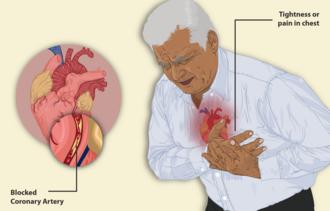
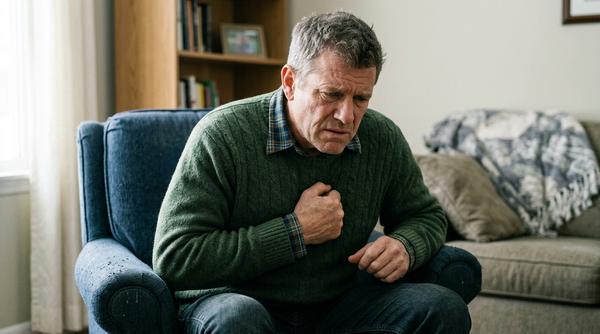
What It Feels Like: The hallmark sign: An intense crushing, squeezing, or fullness directly behind the breastbone that feels like an elephant sitting on your chest.
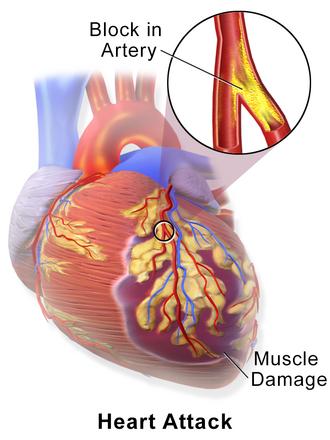
🔬 Why The Heart Causes It: Total occlusion of a major coronary artery (LAD or RCA), depriving millions of myocardial cells of oxygen and causing active muscle tissue death.
🚩 Clinical Red Flag: Never attempt to 'wait out' crushing chest pressure. Every 30 minutes of delay increases permanent myocardial damage by 20%.
Advertisement
Sign 28: The Radiating Triad: Jaw, Neck, and Left Arm Convergence SIGN #28

28. The Radiating Triad: Jaw, Neck, and Left Arm Convergence

What It Feels Like: Pain spreads simultaneously across three distinct zones: rising into the lower jaw, gripping the throat, and shooting down the left arm.
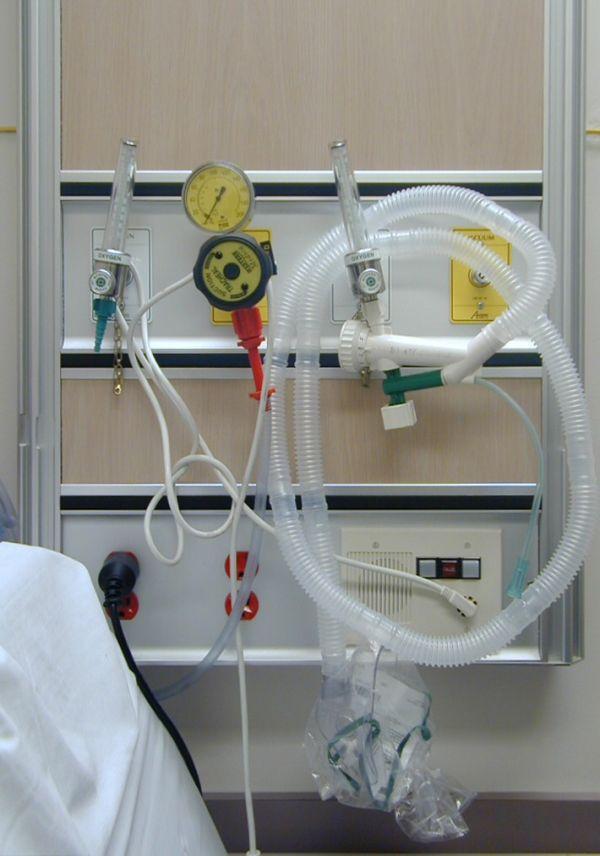
🔬 Why The Heart Causes It: Full central nervous system summation across multiple thoracic and cervical dermatomes as the heart muscle sends emergency alerts.
🚩 Clinical Red Flag: When chest discomfort radiates into both the jaw and arm simultaneously, the probability of an acute myocardial infarction exceeds 90%.
Sign 29: Acute Air Hunger and Inability to Speak Full Sentences SIGN #29

29. Acute Air Hunger and Inability to Speak Full Sentences

What It Feels Like: You cannot string three words together without pausing to gasp. Your chest heaves, but no air seems to satisfy your lungs.
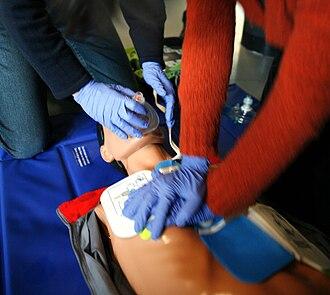
🔬 Why The Heart Causes It: Acute acute left ventricular failure causes sudden alveolar flooding (flash pulmonary edema), disabling gas exchange.
🚩 Clinical Red Flag: Inability to speak in full sentences due to sudden breathlessness requires immediate 911 dispatch.
Sign 30: Vasovagal Syncope: Sudden Collapse or Blackout SIGN #30

30. Vasovagal Syncope: Sudden Collapse or Blackout

What It Feels Like: Loss of consciousness, sudden fainting, or falling to the floor as blood pressure plummets to near zero.

🔬 Why The Heart Causes It: Lethal ventricular arrhythmias (VT/VF) or complete heart block stop effective cerebral perfusion within 3 to 5 seconds.
🚩 Clinical Red Flag: Any sudden collapse in an adult over 45 must be treated as sudden cardiac arrest until an AED or EMS arrives.
Advertisement

Comments