30 Heart Attack Signs You Might Be Ignoring (The Subtle Warning Signs Most Adults Over 45 Miss)
A heart attack does not always begin with a dramatic, crushing chest pain. For millions of adults—especially those over age 45—the cardiovascular system signals distress days or even weeks in advance. Whether reviewing coverage under medicare benefits for seniors or exploring options through humana medicare advantage plans, recognizing these subtle physical clues early can save your life.
#1 Bone-Deep Exhaustion That Sleep Cannot Fix

The Symptom: You wake up after 8 hours of sleep but feel like you ran a marathon. Everyday tasks like walking to the mailbox or making a bed suddenly leave you wiped out.
Why It Happens: When coronary arteries narrow, your heart struggles to pump oxygenated blood to skeletal muscles. Your body diverts blood to vital organs, causing profound fatigue.
#2 Sudden Night Wakings and Unexplained Sweats
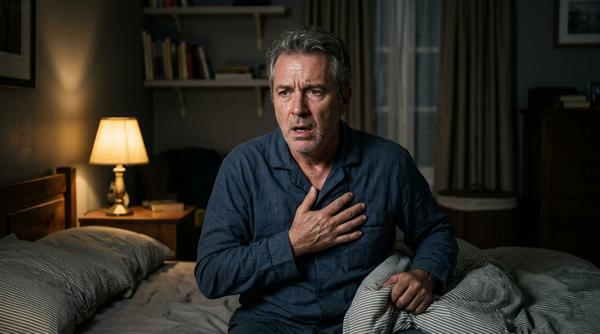
The Symptom: You bolt awake in the middle of the night gasping for breath, or wake up drenched in sweat even though the bedroom is cool.
Why It Happens: Lying flat increases fluid return to the chest. If the left ventricle is strained, fluid backs up into lung tissue, triggering a suffocation reflex that wakes you.
Clinical Note: Adults over 50 experiencing recurrent cardiovascular discomfort often consult a licensed health insurance broker to confirm specialist coverage under group health insurance or employee health insurance.
#3 Throat Tightness and the 'Choking' Sensation

The Symptom: A feeling of constriction around the neck, like a collar is pulled too tight or you have a lump in your throat when walking uphill.
Why It Happens: Cardiac pain nerves travel upward along the vagus and sympathetic nerve chains, frequently registering as tightness in the trachea or pharynx.
#4 Cold, Clammy Sweats Without a Fever
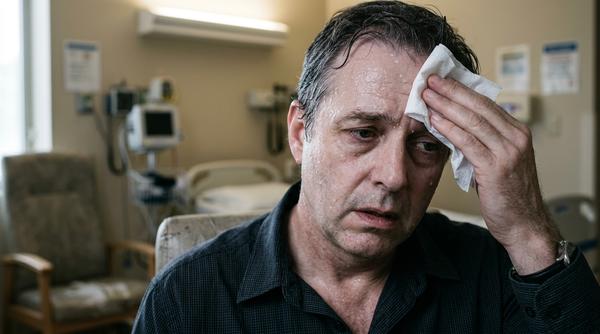
The Symptom: Your skin turns cold and clammy, and sweat beads break out on your forehead or palms while resting quietly in an air-conditioned room.
Why It Happens: When the heart struggles to maintain arterial pressure, the sympathetic nervous system fires a massive dose of adrenaline, forcing sweat glands into overdrive.
Family Financial Security: Many adults compare best over 50 life insurance and life insurance quotes over 50 to secure guaranteed living benefits before cardiovascular conditions are clinically noted.
Part 2: Digestive & Facial Clues (Signs 5–8)
#5 Severe 'False' Heartburn That Antacids Don't Touch
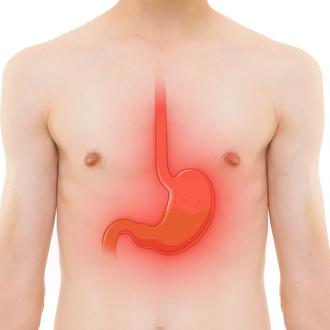
The Symptom: A deep, gnawing burning sensation in the upper stomach and lower chest. You chew antacids or drink water, but the burn persists or intensifies.
Why It Happens: The lower wall of the heart (inferior wall) rests directly above the diaphragm and stomach. Irritation here triggers sensory nerves identical to acid reflux.
#6 Lower Jaw Ache and Tooth Pain
The Symptom: An intense, dull ache in the lower jawline, often radiating into the teeth, chin, or under the ear. Many patients visit a dentist first.
Why It Happens: Nerve fibers from the heart and cervical spine converge with the trigeminal nerve. The brain misinterprets cardiac ischemia as mandibular or dental distress.
Clinical Note: Adults over 50 experiencing recurrent cardiovascular discomfort often consult a licensed health insurance broker to confirm specialist coverage under group health insurance or employee health insurance.
#7 Frank's Sign: The Diagonal Earlobe Crease
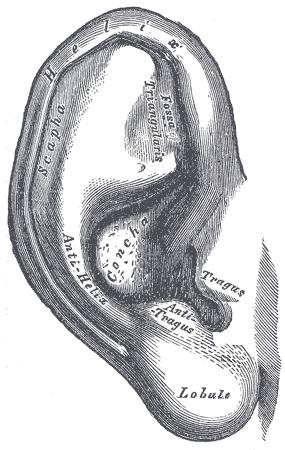
The Symptom: A visible, diagonal crease running at a 45-degree angle across the earlobe toward the lower edge.
Why It Happens: The earlobe is supplied by end-arteries. When systemic elastic fibers degenerate and coronary vessels stiffen, earlobe tissue collapses, forming this crease.
#8 Unexplained Nausea and Upper Abdominal Fullness

The Symptom: Sudden waves of queasiness, stomach churning, or vomiting without any food poisoning, bug, or fever.
Why It Happens: Right coronary artery blockage reduces blood flow to the posterior heart wall, stimulating the vagus nerve and directly triggering gastrointestinal upset.
Family Financial Security: Many adults compare best over 50 life insurance and life insurance quotes over 50 to secure guaranteed living benefits before cardiovascular conditions are clinically noted.
Part 3: Respiratory & Nerve Signals (Signs 9–12)
#9 Inner Left Arm Heaviness and Aching
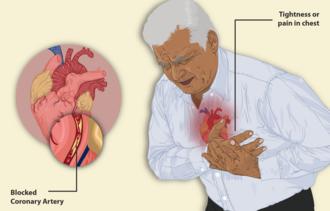
The Symptom: A dull, heavy ache running from the left armpit down the inner bicep to the wrist and little finger. It feels like carrying a heavy suitcase.
Why It Happens: Nerves supplying the heart muscle share the T1-T2 spinal nerve root pathways with the inner arm skin, creating identical referred sensations.
#10 Interscapular Back Gnawing (Between Shoulder Blades)
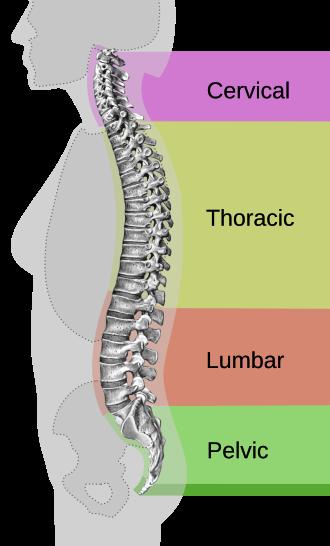
The Symptom: A deep, knifelike or gnawing ache centered precisely between your shoulder blades. Stretching, twisting, or massage provides zero relief.
Why It Happens: Posterior myocardial ischemia sends sensory alerts through the thoracic spinal cord segments directly to the mid-back musculature.
Diagnostic Note: Referred chest sensations can indicate conditions like cardiac amyloidosis, requiring specialized hospital testing supported by humana medicare supplement.
#11 Right Shoulder Aching (The Female Warning Sign)
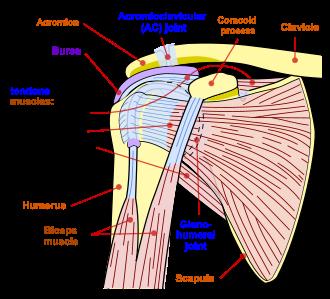
The Symptom: Pain or stiffness settling into the right shoulder and collarbone rather than the traditional left side.
Why It Happens: Women frequently experience atypical autonomic referral patterns that bypass the left plexus, directing pain into the right deltoid and neck.
#12 Sudden Weakness in Hand Grip Strength

The Symptom: You suddenly cannot open a twist-off jar, turn a door knob, or hold a coffee cup without feeling your fingers lose strength.
Why It Happens: Acute cardiac pump strain triggers peripheral vasoconstriction, dropping blood volume to distal extremities like hand flexor tendons.
#13 Unexplained Wrist Soreness (Carpal Tunnel Mimic)
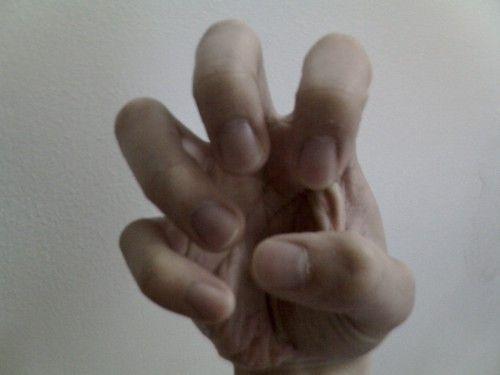
The Symptom: Both wrists throb or feel tightly bound by an invisible band, often mistaken for arthritis, typing strain, or carpal tunnel.
Why It Happens: Radial and ulnar sensory nerves reflect cardiac ischemic pain at their terminal branching points in the wrists.
Family Financial Security: Many adults compare best over 50 life insurance and life insurance quotes over 50 to secure guaranteed living benefits before cardiovascular conditions are clinically noted.
Part 4: Circulatory & Skin Signs (Signs 13–17)
#14 Shortness of Breath While Sitting Still
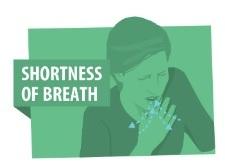
The Symptom: You are sitting comfortably watching TV, yet you feel like you cannot get air to the bottom of your lungs. Every breath feels shallow.
Why It Happens: The left ventricle fails to clear blood forward into the aorta, causing blood to back up into the pulmonary veins and fluid to seep into air sacs.
Diagnostic Note: Referred chest sensations can indicate conditions like cardiac amyloidosis, requiring specialized hospital testing supported by humana medicare supplement.
#15 Persistent Dry Cardiac Cough with Pinkish Phlegm

The Symptom: A dry, hacking cough that refuses to clear, occasionally coughing up a small amount of white or pink-tinged frothy mucus.
Why It Happens: High pressure in pulmonary capillaries forces microscopic amounts of blood and plasma across alveolar membranes into your airways.
#17 Sudden 3–5 Pound Weight Spike in 48 Hours
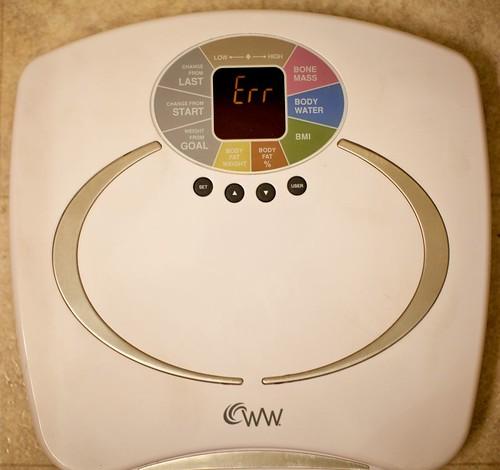
The Symptom: Stepping on the bathroom scale shows you gained 3 to 5 pounds over a single weekend without eating excess calories.
Why It Happens: Decreased cardiac output drops renal perfusion. The kidneys interpret this as dehydration and hoard sodium and water inside your vascular space.
Retirement Asset Protection: Seniors reviewing life insurance options frequently combine term policies with a variable annuity for lifetime protection against unforeseen emergency hospital bills.
Part 5: Neurological & Sleep Indicators (Signs 18–22)
#18 Sudden Brain Fog and Cognitive Disorientation

The Symptom: You walk into a room and completely lose your train of thought, struggle to find common words, or feel like your head is wrapped in cotton.
Why It Happens: The brain consumes 20% of your body's oxygen. When coronary output drops, cerebral perfusion falls immediately, slowing mental processing.
#19 The 'Ashen Face': Sudden Loss of Facial Color

The Symptom: Family members notice your face suddenly turns pale, grayish, or washed out, with lips losing their natural pink shade.
Why It Happens: Peripheral vasoconstriction shuts down microscopic capillary flow to facial dermis in a desperate bid to preserve core arterial pressure.
Healthcare Advisory: Seniors checking insurances near me or comparing low cost insurance and pivot health insurance ensure uninterrupted diagnostic monitoring.
#20 Palpitations Accompanied by Vision 'Floaters'
The Symptom: Your heart flutters, thuds, or feels like it skips a beat, followed immediately by black specks or tunneling in your peripheral vision.
Why It Happens: Ventricular arrhythmias drop retinal blood flow for 1 to 2 seconds, causing momentary visual disturbances or blackout sensations.
#21 Bleeding, Spongy Gums (Arterial Inflammation)
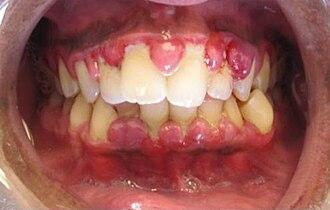
The Symptom: Gums suddenly bleed easily when brushing, feeling tender and inflamed even with good dental hygiene.
Why It Happens: Systemic periodontal inflammation shares direct biomarkers (such as hs-CRP) with coronary plaque erosion and arterial endothelial damage.
#22 Postural Dizziness: Room Spinning Upon Standing

The Symptom: Standing up from an armchair causes the room to sway, requiring you to grab a table or wall to maintain balance.
Why It Happens: Baroreceptors in the carotid sinus fail to trigger rapid cardiac acceleration, allowing blood to pool in the abdomen and legs.
Retirement Asset Protection: Seniors reviewing life insurance options frequently combine term policies with a variable annuity for lifetime protection against unforeseen emergency hospital bills.
Part 6: Sudden Cardiac Warning Signs (Signs 23–27)
#23 An Overwhelming Sense of 'Impending Doom'

The Symptom: A sudden, terrifying neurological wave of dread or certainty that something catastrophic is about to happen, with zero obvious trigger.
Why It Happens: Severe myocardial ischemia triggers a massive surge of catecholamines (noradrenaline), flooding the brainstem's primal survival centers.
#24 Heavy 'Lead Leg' Syndrome: Inability to Stand Up

The Symptom: Your legs suddenly feel like 100-pound weights. Walking 5 steps to the kitchen requires monumental physical exertion.
Why It Happens: Major cardiac output drops below the threshold needed to oxygenate large quadricep and hamstring muscle groups.
Healthcare Advisory: Seniors checking insurances near me or comparing low cost insurance and pivot health insurance ensure uninterrupted diagnostic monitoring.
#25 Uncontrollable Rigors and Shivering Without Feeling Cold

The Symptom: Your jaw chatters and whole body trembles as if in freezing weather, yet the room thermometer reads 72 degrees.
Why It Happens: Rapid autonomic dysregulation caused by cardiac tissue necrosis triggers intense neuromuscular shivering reflexes.
#26 The 'Tight Band' Sensation Across the Ribs
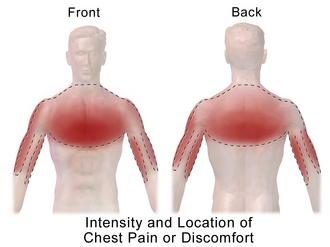
The Symptom: It does not feel like sharp pain, but rather like a thick leather belt is strapped around your ribs and being ratcheted tighter with every breath.
Why It Happens: Intercostal nerve stimulation caused by ventricular wall hypoxia creates an encircling constriction sensation around the thoracic cage.
Retirement Asset Protection: Seniors reviewing life insurance options frequently combine term policies with a variable annuity for lifetime protection against unforeseen emergency hospital bills.
Part 7: The Critical Red-Zone Warnings (Signs 28–30)
#16 Pitting Edema: Deep Sock Indentations in Lower Legs
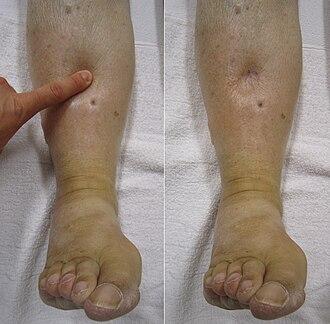
The Symptom: Taking your socks off leaves deep, red, sunken trenches in your shins or ankles that take minutes to bounce back.
Why It Happens: A sluggish heart pump causes gravity-dependent venous pooling. Excess fluid escapes capillary walls into subcutaneous tissues of the feet.
#27 Substernal Crushing Center Pressure ('The Elephant')

The Symptom: The hallmark sign: An intense crushing, squeezing, or fullness directly behind the breastbone that feels like an elephant sitting on your chest.
Why It Happens: Total occlusion of a major coronary artery (LAD or RCA), depriving millions of myocardial cells of oxygen and causing active muscle tissue death.
Healthcare Advisory: Seniors checking insurances near me or comparing low cost insurance and pivot health insurance ensure uninterrupted diagnostic monitoring.
#28 The Radiating Triad: Jaw, Neck, and Left Arm Convergence
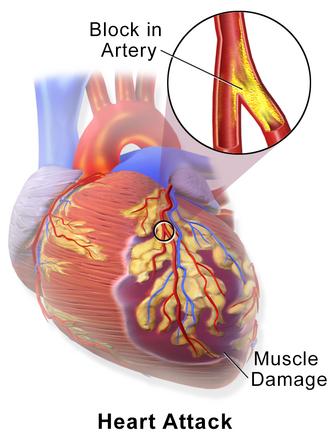
The Symptom: Pain spreads simultaneously across three distinct zones: rising into the lower jaw, gripping the throat, and shooting down the left arm.
Why It Happens: Full central nervous system summation across multiple thoracic and cervical dermatomes as the heart muscle sends emergency alerts.
#29 Acute Air Hunger and Inability to Speak Full Sentences
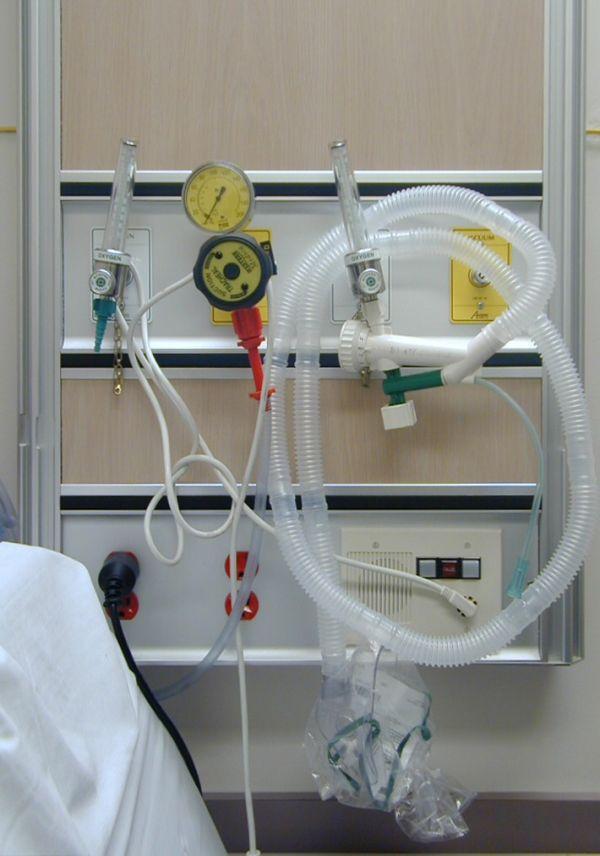
The Symptom: You cannot string three words together without pausing to gasp. Your chest heaves, but no air seems to satisfy your lungs.
Why It Happens: Acute acute left ventricular failure causes sudden alveolar flooding (flash pulmonary edema), disabling gas exchange.
#30 Vasovagal Syncope: Sudden Collapse or Blackout
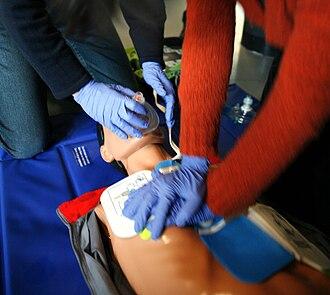
The Symptom: Loss of consciousness, sudden fainting, or falling to the floor as blood pressure plummets to near zero.
Why It Happens: Lethal ventricular arrhythmias (VT/VF) or complete heart block stop effective cerebral perfusion within 3 to 5 seconds.
Retirement Asset Protection: Seniors reviewing life insurance options frequently combine term policies with a variable annuity for lifetime protection against unforeseen emergency hospital bills.
Comments
Post a Comment