Motorist Review VERIFIED 2026 DATA · FIELD GUIDE 04 BUILD A SAVINGS PLAN
AUSTRALIAN CAR INSURANCE · 2026
Here’s a question worth sitting with: when’s the last time your car actually left the driveway for something that wasn’t a servo run or a school pickup?
If you’re working from home, taking the train, or simply not driving much, there’s a real chance your insurance no longer matches your actual life.
ASIC confirmed that car insurance premiums rose 8% above inflation between 2024 and 2025. Your costs went up. Your driving habits probably didn’t. That gap is worth attention.
No insurance-speak. No fluff. This guide shows what Australians are paying, which providers offer value, and five actions you can take now.
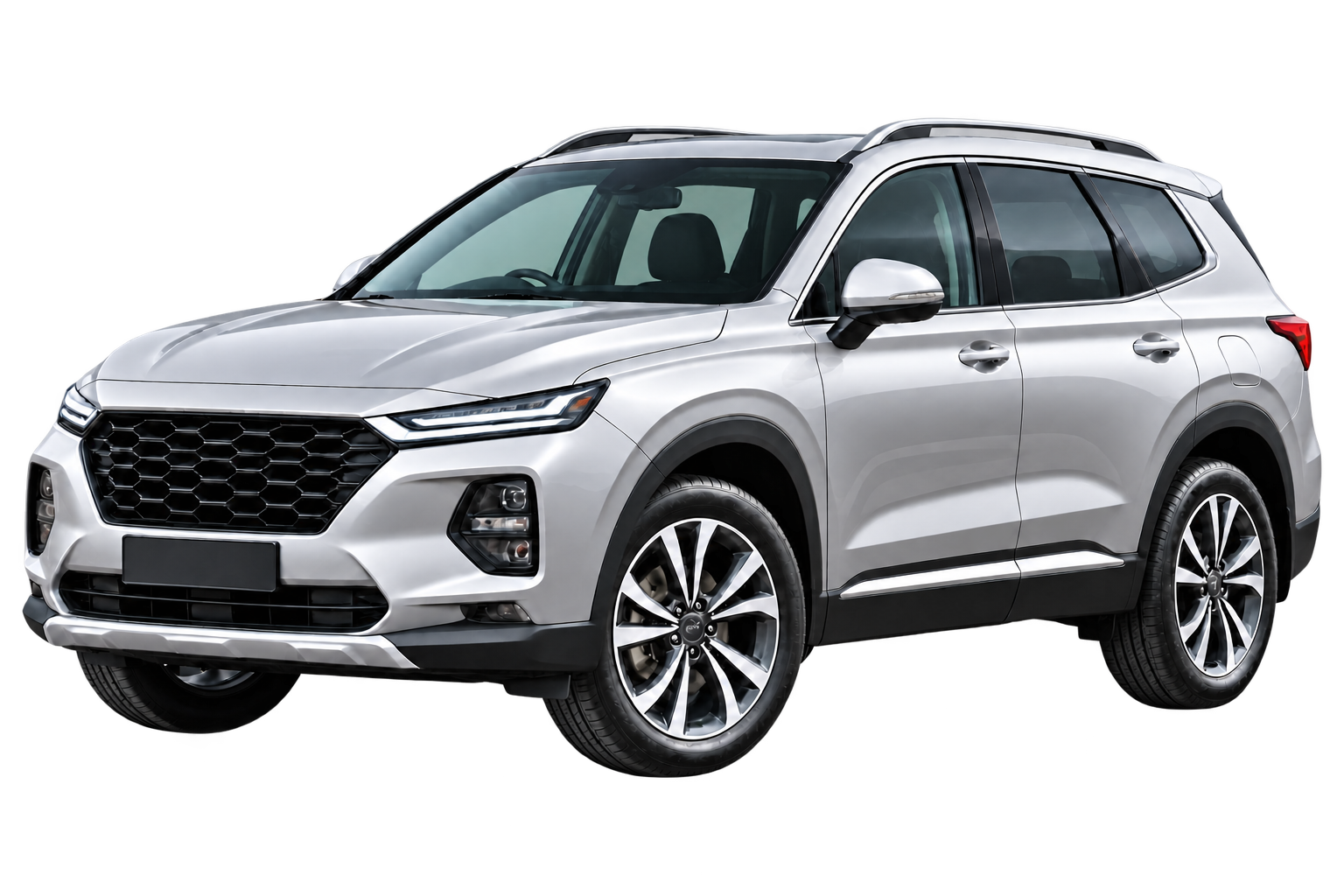
2024–25
01 / THE REAL COST
How much does car insurance actually cost in 2026?
Let’s start with the numbers—because this is where most people either feel relieved or quietly horrified when they finally bother to look.
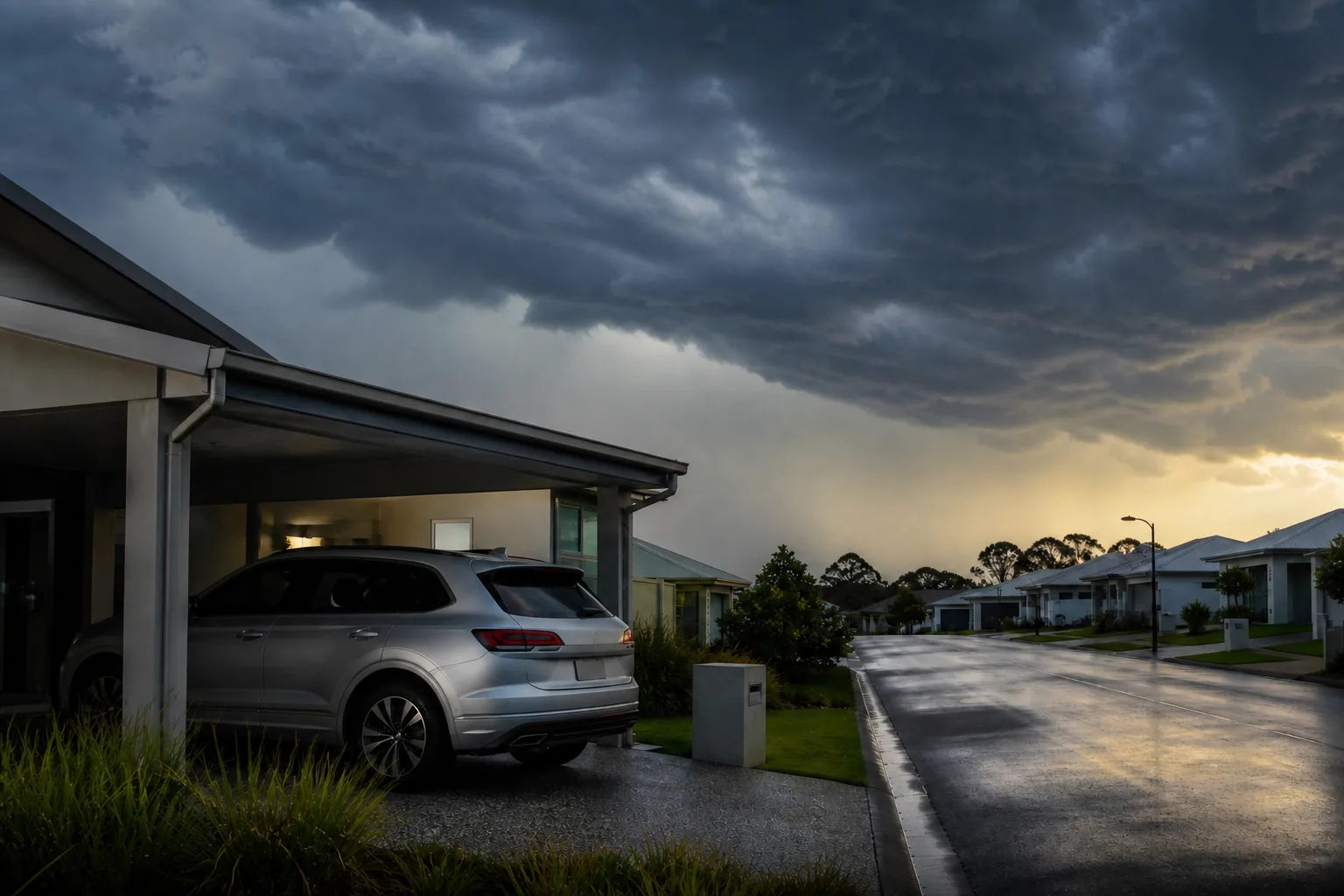
YOUR POSTCODE CHANGES THE PRICE
The same car becomes a different risk.
Where you live shifts your premium significantly. Insurers factor local claims, hail risk, theft and accident density into every quote.
Brisbane premiums often sit above average because of storm and hail claims.
If you haven’t compared your policy in the last 12 months, there’s a fair chance you’re not on the best deal for where you live.
02 / WHY MOST AUSTRALIANS OVERPAY
Your policy is built around your inattention.
Most Australians don’t overpay because they’re careless. They overpay because policies are confusing and insurers quietly bet on customers not shopping around at renewal.
01The loyalty tax+
Think you’re rewarded for sticking with the same insurer? Yeah, nah. Premiums often rise quietly at renewal while new customers receive sharper offers. Compare every single year.
02The wrong risk profile+
If your car is garaged, you work from home and drive under 12,000 km, you may be paying for a risk profile that no longer matches your habits. CTP covers injuries—not your vehicle.
03The monthly payment penalty+
Monthly instalments can add 10–18%. Paying annually can save roughly $150–$250 on many policies without changing your cover.
04The missing low-km discount+
Some insurers offer usage-based cover where fewer kilometres can mean a lower premium. If your car sits in the driveway most weekdays, ask about it.
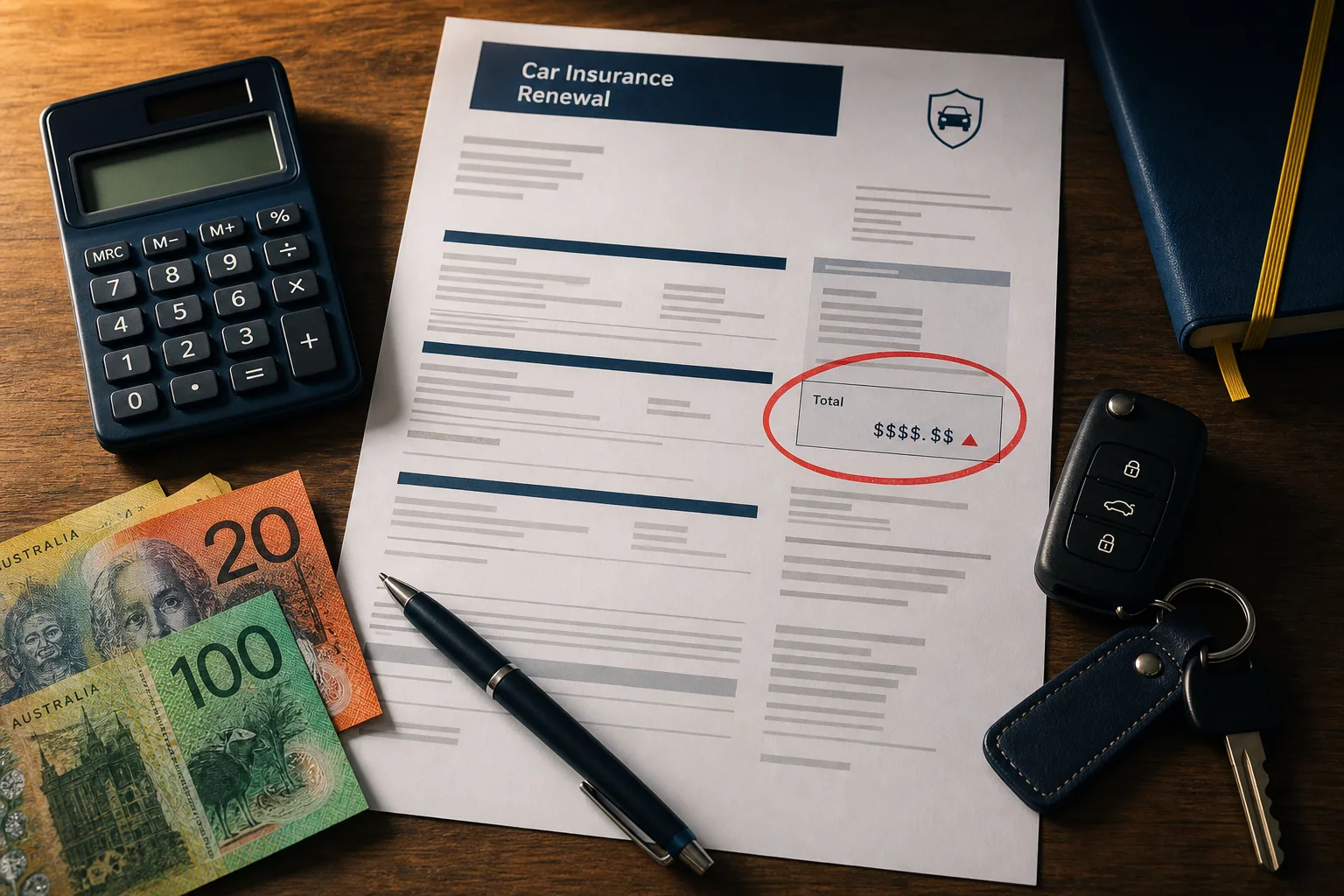
03 / 13 COMPANIES COMPARED
Who offers the best value right now?
Use this honest side-by-side as your starting point before requesting personalised quotes. Keep cover settings and excess equal when comparing.
NSW & ACT drivers
Strong claims support, roadside assistanceAll states
Hire car included, flexible cover optionsOnline buyers
Competitive comprehensive quotesBudget-conscious drivers
No-frills, fully onlineQLD & NSW drivers
Choice of repairer, established brandQueensland drivers
Member discounts and QLD perksWestern Australia drivers
WA benefits and roadside assistanceNSW & ACT locals
Solid claims reputationEveryday Rewards members
Points and competitive pricingFlybuys members
Loyalty rewards built inFrequent flyers
Earn Qantas Points on premiumsBanking customers
Potential banking bundle discountsAustralian drivers
Compare multiple policies side by sidePremium estimates are indicative for a standard comprehensive policy for a 35-year-old metro driver. Get a personalised quote for accurate pricing.
That can be a weekend away, months of groceries, or a meaningful mortgage payment—for ten minutes of comparison.
04 / TAKE ACTION
Five ways to get cheaper insurance right now.
Practical changes that can reduce cost without stripping back the protection that matters.
Spend ten minutes getting quotes from at least three providers. That effort can be worth $400–$700 a year. Comparison platforms can make the process faster.
Annual payment can avoid the 10–18% instalment premium. On a $1,400 policy, that can return roughly $140–$250 without changing cover.
A higher excess usually lowers the premium. Choose only an amount you could genuinely pay if something went wrong.
Some companies offer 10–15% discounts for multiple policies. Check the combined total—not just the advertised discount.
If you drive under 12,000–15,000 km, ask specifically about usage-based or low-kilometre products and their limits.
05 / WHEN THE CAR STAYS HOME
What if you just don’t drive that much?
Plenty of Australians pay full comprehensive premiums on cars that sit parked Monday to Friday while they work from home or take the train.
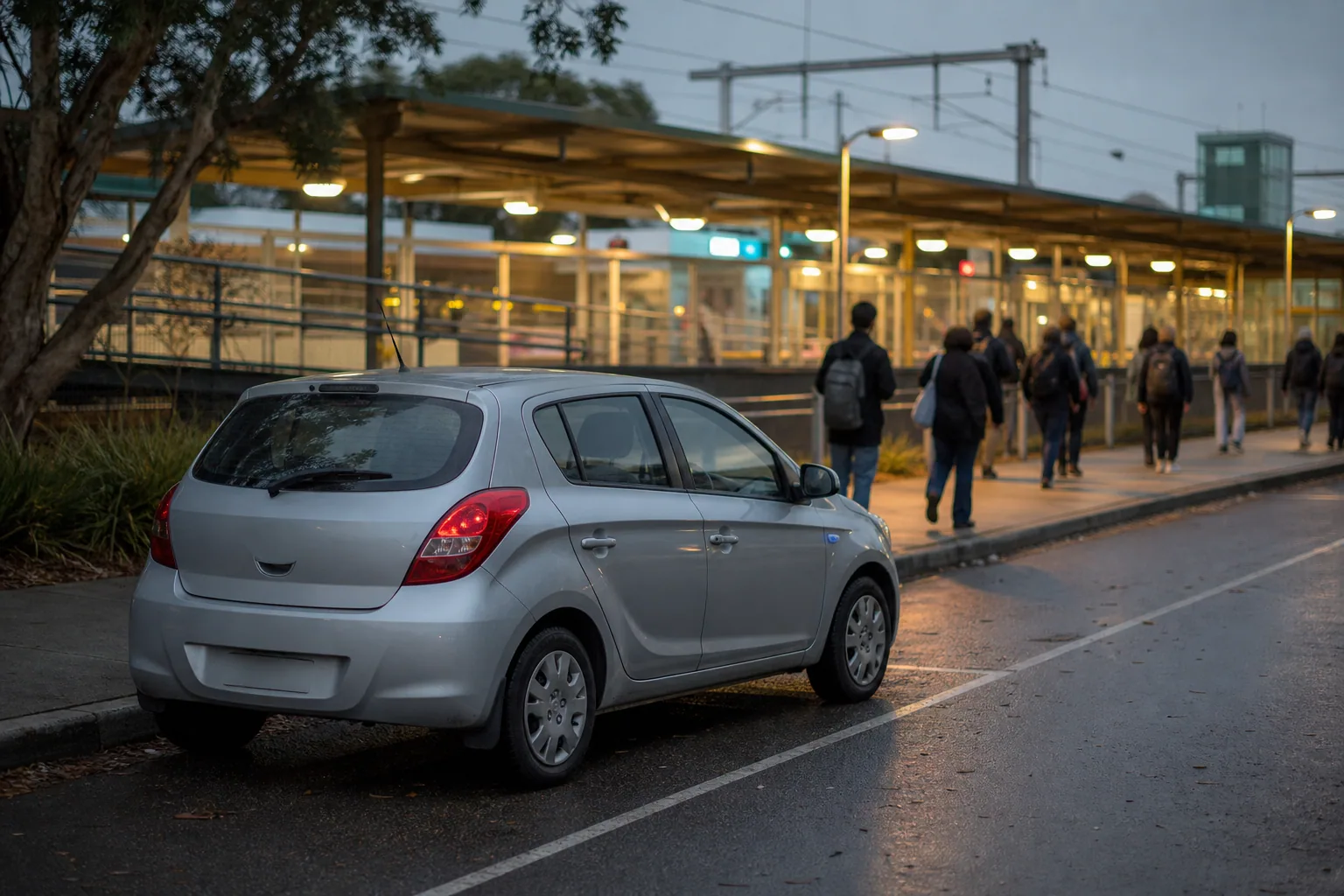
LOW-USE SIMULATOR
KM / YEAR Strong candidate for a low-km quoteUsage-based insurance—sometimes called pay-per-kilometre or pay-as-you-drive—addresses this directly. You may pay a lower base rate plus an amount linked to kilometres driven.
It isn’t a magic fix. If you clock serious kilometres, a standard policy may be cheaper overall. But if your car is a “sometimes” vehicle, usage-based options belong in your next comparison.
Who it suits best
Usually under 10,000 km a year.
Occasional-use or second vehicles.
Cars parked through the working week.
Limited weekly use with long parked periods.
06 / FREQUENTLY ASKED
Questions Australians ask before renewal.
What is the cheapest car insurance in Australia?
Budget Direct, Bingle, Woolworths and Coles often publish competitive comprehensive pricing, sometimes starting around $850–$950 for suitable profiles. Your cheapest option depends on age, postcode, vehicle and claims history, so compare personalised quotes.
What does comprehensive car insurance cover?
It generally covers damage to your vehicle, damage to other vehicles or property, theft, fire, storm, hail and vandalism, subject to the current policy terms, limits and exclusions.
Is CTP enough?
CTP comes with registration and covers injury to other people. It does not cover damage to your vehicle or other property. Many drivers add at least third-party property cover; comprehensive cover may suit vehicles with meaningful value.
How do I get a quote?
Request quotes directly from insurers or use a comparison service. Keep the same cover, excess, driver details and optional benefits across every quote so the comparison is meaningful.